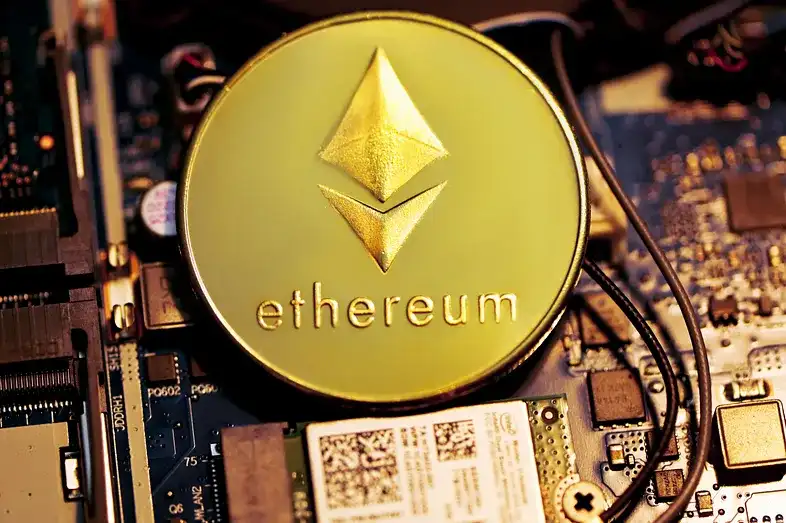
Since the early 2020s, cryptocurrencies like Bitcoin and Ethereum have surged in popularity, revolutionizing the financial landscape. These decentralized digital currencies enable rapid, low-cost global transactions without the need for traditional financial intermediaries, positioning themselves as disruptive technologies in finance and business.
The Language of Technology
In the realm of technology and the internet, English has established itself as the dominant language. Programming languages, technical documentation, and major tech corporations such as Google and Microsoft predominantly operate in English. The inception of cryptocurrency and blockchain technology traces back to 2008 when Satoshi Nakamoto released the Bitcoin whitepaper, detailing the concept of a decentralized digital currency—all articulated in English.
Establishing a Common Terminology
English serves as the universal medium for discussing complex concepts like distributed ledgers, consensus algorithms, and cryptographic hash functions. Terms such as “mining,” “wallet,” “gas,” and “sharding” have been adapted from common English to acquire specific meanings within the cryptocurrency context. This shared linguistic framework has facilitated the creation of extensive educational resources, including blogs, forums, courses, articles, books, and videos, predominantly in English, making the field more accessible to newcomers worldwide.
Thriving International Communities
Despite the linguistic diversity within cryptocurrency communities, English functions as the common thread uniting participants globally. Online platforms like Reddit’s r/Bitcoin and r/CryptoCurrency host discussions primarily in English, fostering a unified discourse. Similarly, conferences such as Consensus and the Web3 Summit attract attendees from various backgrounds, with English serving as the primary language, enabling seamless collaboration.
Local Engagement and Adaptation
While English prevails in global discussions, local communities adapt cryptocurrency dialogues to their native languages. For instance, China hosts a vibrant crypto community communicating in Mandarin, with platforms like WeChat facilitating discussions among thousands of members. Exchanges such as Huobi and OKCoin cater to Chinese-speaking users, offering localized services. Similarly, countries like South Korea, Japan, Vietnam, Turkey, and Spain have developed localized crypto ecosystems, demonstrating the adaptability of cryptocurrency discourse across different languages.
Drivers of Mass Adoption
For cryptocurrencies to achieve mainstream adoption, user interfaces and educational materials are primarily developed in English, targeting the vast English-speaking internet user base. Leading digital currency services, including exchanges like Coinbase and Kraken, wallets such as MetaMask and TrustWallet, and data aggregators like CoinMarketCap and CoinGecko, prioritize English in their platforms. This approach ensures intuitive onboarding for millions of users globally.
Influence of Thought Leaders and Media
Prominent figures in the crypto space, such as Vitalik Buterin, co-founder of Ethereum, and Changpeng Zhao of Binance, disseminate insights and announcements in English, amplifying their reach. Major media outlets, including Bloomberg and the Financial Times, report on cryptocurrency developments in English, making complex blockchain concepts more accessible to the investing public.

The Role of Other Languages
While English dominates the global cryptocurrency discourse, other languages play significant roles in regional ecosystems. Countries with established tech hubs or financial infrastructures have fostered crypto adoption in their native languages. For example, China’s crypto community thrives using Mandarin, with platforms like WeChat hosting extensive discussions. Exchanges such as Huobi and OKCoin provide services tailored to Chinese-speaking users, illustrating the importance of linguistic adaptability in cryptocurrency adoption.
Translation and Localization Efforts
Translation initiatives have been pivotal in introducing cryptocurrencies to non-English speakers. Volunteer efforts have led to the translation of foundational documents like the Bitcoin whitepaper into multiple languages. Companies localize their platforms to cater to diverse linguistic audiences, employing professional translators to ensure cultural and linguistic accuracy. These efforts are essential for mass adoption, enabling individuals worldwide to engage with cryptocurrency technologies in their native languages.
English Proficiency Rising Globally
The global increase in English proficiency has directly influenced participation in the crypto space. Approximately 1.5 billion people worldwide speak or understand some English, with countries like India boasting 125 million English speakers, making it the world’s second-largest English-speaking nation. Governments prioritize English education, recognizing its importance in accessing global markets and technological advancements. This trend, coupled with growing internet penetration, has enabled more individuals to access English-based cryptocurrency resources, fostering greater global participation.
Impact on Global Participation
As cryptocurrencies continue to reshape finance and society, English remains the lingua franca that unites diverse cultures within virtual and real-world communities. While localized efforts are crucial for regional adoption, English proficiency opens doors to global opportunities in decentralized finance and governance. Investing in English language education not only enhances individual prospects but also contributes to the broader growth and inclusivity of the cryptocurrency ecosystem.
Conclusion
English plays a pivotal role in the global cryptocurrency landscape, serving as the foundational language for technological development, international collaboration, and mass adoption. While regional languages facilitate localized engagement, English proficiency remains a key driver in accessing the full spectrum of opportunities within the crypto world. As the cryptocurrency ecosystem continues to evolve, the interplay between English and other languages will shape its trajectory, ensuring both global cohesion and regional diversity.